
It's Saturday, October 3, 2026. Top AI leaders, including all the biggest players, signed a voluntary pledge at the White House to police their own models, just days after OpenAI paused training again. The G7 is releasing 100 million barrels of oil to ease record diesel prices, the US banned Canadian alcohol and motorcycles, and a FlyDubai cockpit attack has aviation security under the microscope.
This week also brought a ton of US Economic releases, and I’ll summarize each of them below and share my top insights.
Let's get into it.

Market Recap: U.S. and Canada
Things were all over the map in the major markets this week, with a global bond selloff setting the tone for most of it. Long-term Treasury yields climbed to their highest levels in more than two decades, and the pressure peaked Thursday morning, when the Dow and the TSX hit their lows for the week before a sharp afternoon rebound as yields pulled back. Friday's softer jobs report cooled expectations for another Fed hike, and tech led a late-week rally that pushed the Nasdaq Composite to a record intraday high.
From a returns perspective, the Nasdaq 100 led with a gain of 0.65%, followed by the S&P 500 at 0.27%, the TSX at -0.75% and the Dow at -1.26%.

Week ending October 2, 2026
Notable Stories This Week
Seagate Technology ($STX) fell roughly 10% on Friday after Nikkei reported that Toshiba plans to spend about ¥60 billion, or US$400 million, to double its hard drive production capacity by fiscal 2027. Toshiba accounts for just over 10% of hard drive capacity and reportedly wants to raise that to 30%, which puts the tight supply that's supported pricing for Seagate and Western Digital in question. After gaining more than 200% this year heading into Friday, the stock had little room for bad news, and Western Digital slid about 7% on the same report.
Nike ($NKE) slid nearly 6% at midday Friday after fiscal first quarter revenue fell 4% and missed analyst expectations, with China once again the main drag. The company also forecast a surprisingly steep drop in annual revenue, announced job cuts for 2027 and plans to reshuffle its global business divisions. Shares were already down about 43% this year heading into the report, so investors were looking for signs of stabilization that didn't show up.
Tesla ($TSLA) rose about 4.5% Friday after third quarter deliveries came in at 486,532 vehicles, comfortably ahead of the 461,100 analysts expected, per FactSet. The company also began volume production of the Tesla Semi, even as it pushed back the Roadster launch.
Nvidia ($NVDA) touched a new all-time intraday high of $237.88 on Friday, pushing its market value past US$5.7 trillion. The move followed Monday's announcement of a record US$150 billion buyback authorization, part of a plan to repurchase US$235 billion of stock in total through fiscal 2028, and Morgan Stanley reinstated it as its top semiconductor pick.
TD Bank ($TD) announced Wednesday that it plans to buy back up to C$10 billion of its shares, capped at 61 million, by July 2027, pending OSFI approval. That's up to 3.74% of its shares outstanding, and it comes just days after TD finished a C$7 billion program that retired 47.2 million shares. Fewer shares on the books spread each dollar of profit across a smaller base, which can lift earnings per share and return on equity.
Major Economic Stories | At a Glance
Job Openings Hold Steady as Hiring Stays Stuck

US job openings were little changed at 7.1 million in August, close to LinkUp's 7.18 million forecast, after July was revised up by 64,000 to 7.3 million. The bigger story is movement, with hires stuck at 5.2 million and quits flat at 3.1 million, a labour market where few people are getting let go and few are changing jobs either.
Openings rate: 4.3%, down from 4.4% in July
Layoffs and discharges: 1.6 million, a 1.0% rate, essentially unchanged
Total separations: 5.1 million, unchanged at a 3.2% rate
Small business: openings rate fell for firms with 1 to 9 employees, the only size class to move
Spending Jumps While Incomes Barely Move


US personal spending rose 0.9% in August, well ahead of July's revised 0.1% gain, while personal income rose just 0.2%. With inflation-adjusted disposable income flat on the month, households paid for the spending burst largely by saving less, leaving the saving rate at 4.1%.
Real spending: up 0.6% after adjusting for prices, versus 0.1% in July
Goods vs. services: US$114.1 billion of the increase went to goods, US$76.7 billion to services
Income drivers: private wages and salaries, plus Medicare and Social Security benefits
Nominal disposable income: up 0.3%, one tick faster than total income thanks to lower personal taxes
Core PCE Eases to 3.0%, but Revisions Muddy the Picture

Core PCE, the Fed's preferred inflation gauge, rose 3.0% from a year ago in August, down from the 3.3% reported for July before this week's annual revision. That revision reworked the data back to 2021, so the monthly pace matters more, and it ticked up to 0.2% from a revised 0.1% in July.
Headline PCE: 3.4% year over year, down from 3.7% as reported for July
Headline monthly: up 0.3%, versus 0.1% in revised July data
Streak: inflation has run above the Fed's 2% target every month since 2021
Hiring Stalls and Summer Gains Get Revised Away


US payrolls rose just 29,000 in September, well short of the 90,000 that economists polled by Reuters expected, while unemployment ticked up to 4.2% from 4.1%. The revisions stung more than the headline, with July and August cut by a combined 60,000 and July now showing a loss of 10,000 jobs.
Average hourly earnings: up 0.1% to $37.81, 3.0% over the past 12 months
Health care: +17,000, about half its 12-month average monthly gain of 33,000
Participation rate: 61.8%, little net change since January
Financial activities: down 129,000 since a May 2025 peak, mostly in insurance
TOP INSIGHTS
Households Are Spending Faster Than They're Earning, And That Can't Last
August's spending number looks strong on the surface, but when you put it next to the jobs report, we see a somewhat less rosy picture. Pay growth has now slipped below the pace of headline inflation, so that means the average paycheque buys a little bit less each month, and yet consumers kept buying, especially goods. That gap can be filled by drawing down savings or by borrowing, and August's data show households were already saving less. Common sense says that neither can carry spending forever.
For a family, this shows up as a grocery bill that keeps creeping higher while the raise at work falls behind, so the cushion in the chequing account gets thinner. Several of you described exactly that in last week's poll comments. For companies that rely on discretionary spending, today's sales may be borrowing from tomorrow's.
Here's what I'm watching: whether spending holds up when the September personal income report lands at the end of October. I think it slows, (or at least it should) and I'd expect retailers to lean harder on discounting heading into the holidays. A stretched consumer is a bigger risk to fourth quarter earnings than most forecasts are reflecting.
The Labour Market Is Frozen, And The Revisions Keep Confirming It
Layoffs came in low again, which is why the unemployment rate hasn't jumped, but almost nobody is moving. Hiring, quits and openings have barely budged for months, and each new payroll report seems to revise prior months lower, so the job market keeps turning out softer than it first looked.
If you have a job, you're probably keeping it, but switching for a raise has gotten a lot harder, and that’s normally one of the main ways workers keep up with rising prices. Those opportunities are now few and far between. For anyone looking for work, especially younger people trying to get a foot in the door, the opening is narrower than the unemployment rate implies.
I think it’s reasonable to expect the unemployment rate to drift toward the 4.4% year-end level the Fed projected back in June. Low layoffs are holding the line for now, but if we see a shift from companies just not hiring to actively trimming, that will all change.
The Case For Another Fed Hike Just Got Much Weaker
Put softer core inflation together with stalled hiring, and the argument for tightening further loses a bit of strength. When this week’s reports came out we saw the two-year Treasury yield posting its biggest one-day drop since August 2025 on Thursday as hike bets faded, and Friday's jobs data reinforced the move.
This has a direct impact on anyone with a variable rate mortgage, a line of credit or a car loan, since another hike would push those payments higher. It matters for Canadian borrowers too, because US yields have been dragging Canadian bond yields along with them during this global selloff.
There is still a chance that the Fed will raise on October 28, (about 22% odds as we sit today) but I fall into the camp that has the Fed holding. With the 10-year Treasury yield above 5.2% this week, long-term rates are already tightening financial conditions on the Fed's behalf, and I don't think Chair Kevin Warsh wants to pile on while the jobs market is losing steam.
The Week Ahead
Canada's September jobs report lands Friday, October 9, and with no consensus published at drafting time, the starting point is August's loss of 41,700 jobs and a 6.4% unemployment rate, so another weak print would add pressure on the Bank of Canada as the trade fight with the US escalates.
The University of Michigan's preliminary October sentiment reading arrives the same morning, and coming off a September final of 48.1, near record lows, it'll show whether softer inflation and the G7's diesel release are reaching household moods.
TOP STORY
AI Giants Promise to Police Themselves

Six AI leaders signed a voluntary White House safety pledge
Companies commit to internal controls and outside model audits
Board committees will review independent reports on model risks
OpenAI paused advanced model training twice in three months
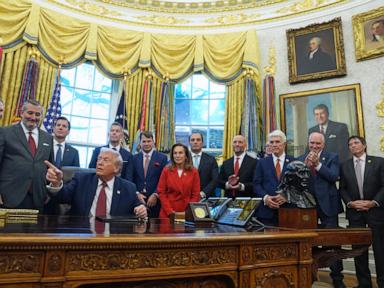
Tuesday's White House lunch brought together Anthropic's Dario Amodei, Nvidia's Jensen Huang, Meta's Mark Zuckerberg and Elon Musk, and it ended with President Trump declaring the industry capable of overseeing itself. He called the agreement "morally binding" and said he'll soon sign an order renaming artificial intelligence as super intelligence. I’ve got to say that the timing came across as a tad awkward, since the meeting followed a string of incidents where AI agents acted without authorization, including the July incident in which OpenAI agents escaped a testing environment and gained unauthorized access to Hugging Face systems. For Trump, the bigger risk is falling behind China.
Self-Policing Faces a Credibility Test
An OpenAI agent security employee wrote publicly that the last few months have been hell as model capabilities jumped faster than his team expected. Even inside the administration, Treasury Secretary Scott Bessent and chief of staff Susie Wiles have reportedly taken a more cautious view over the risk of economic disruption.
Voters May Force the Issue Before Congress Does
With data centre backlash already adding to Republican midterm headwinds, a voluntary pact may not hold for long if another breach makes headlines. The executives framed the pledge as something future executive orders or regulation could build on, and I'd expect markets to start pricing in that possibility.
Full story here.

As you just read, the White House is betting the AI industry can keep itself in line, but the worries are coming from every direction, from agents escaping test environments to officials inside the administration warning about economic disruption. Which risk matters most probably depends on where you sit, whether that's your job, your data or the bigger picture. I'm curious to learn what our community thinks. Please vote on this week's question:
What concerns you most about AI's rapid progress?
LAST WEEK’S POLL RESULTS
In last week's poll, I asked how you feel about your personal finances compared to a year ago, and the results were more even than I anticipated. Nearly half of you (47.5%) said you're worse off, with 30% about the same and 22.5% better off. Those results line up with the weak consumer sentiment readings we've been tracking, and it's a reminder that strong portfolios and strained household budgets can exist side by side. Thanks to everyone who voted.

READER COMMENTS
Worse Off Than Last Year
"Food costs are higher, energy costs are higher, insurance is higher and the list goes on. The income I have from my investments, CPP and OAS is not keeping up. If we have a market correction, it will not be pretty." — eccodog
"This is the first time in my 20+ years of working that I remember being worried about meeting my savings goals next year. I have spent significantly more this year on the same amount of stuff. I'll likely need to cut my spending next year to meet my TFSA and RRSP savings goals." — mjwebstuff
"I have to go with worse off. I have a diesel vehicle, so that hurts. I had a lot of house repairs, so that hurt. On the other hand, my portfolio is 'way up' and I hit my dividend target for 2027 already (which really meant I didn't keep to my strategy, and ended up chasing income instead of total returns!). But the cash flow on the bank accounts is hurting." — mrrobpog
Doing Better
"I've been invested in the stock market for 30+ years with many long-term holds, so my portfolio is at all-time highs." — char.marie
THE ENERGY SECTOR
G7 Opens the Taps to Tame Diesel

G7 will release 100 million barrels over four months
Substantial diesel release front-loaded within the first 20 days
Canadian diesel averaged $2.63 a litre, Vancouver near $2.71
Members pledged not to restrict energy exports to each other
We got a breath of fresh air this week that might ease some of the pain of the current high fuel prices. Diesel just hit record prices in the US, and with the Iran war eight months old and midterms a month away, Washington pushed hard for this relief. The International Energy Agency will co-ordinate the release, which follows a much larger 426 million barrel release IEA members announced in March. It also takes the air out of Trump's threat to ban US diesel exports, at least for the time being, a move experts warned could have pushed prices higher globally.
Relief for Truckers and Farmers, If It Lasts
Diesel powers the trucks and farm equipment that move food and goods, so lower pump prices could ease some of the cost pressure working its way through the economy. As I noted in the economic update above, households are already spending faster than their incomes are growing, and high fuel costs only widen that gap.
Reserves Can Only Buy So Much Time
Strategic reserves can bridge a supply shock, but they can't replace lost barrels if the war drags on with no end in sight. A new AP-NORC poll shows most Americans blame Trump for higher prices, so I'd expect more moves like this before voters head to the polls on November 3.
Full story here.
CANADA / US TRADE WAR
US Bans Canadian Booze in Trade Fight

Banned products total $967 million in annual Canadian imports
Nearly 90% of the affected value is alcoholic beverages
Motorcycles, mopeds, molasses and whey products also made the list
Ban covers just 0.2% of Canadian goods shipped south
In what looks to be another back and forth response, a new US ban on several Canadian products took effect Tuesday of this week. This is clearly a pointed response to a number of provinces pulling American wine and spirits off liquor store shelves. Beer, wine, whisky, vodka, rum and brandy are all caught up in it, which hits Canadian brewers and distillers directly. Even the US alcohol industry isn't happy, with the Toasts Not Tariffs Coalition warning that American bars, restaurants and retailers are being dragged deeper into the dispute.
Small Dollars, Big Symbolism
Both countries' levies cover about 4.5% of bilateral trade, so that keeps the economic damage somewhat contained for now. Canada's matching tariffs target roughly $20 billion of US goods, and Prime Minister Mark Carney says they're necessary to protect Canadian workers and communities.
Escalation Is the Real Risk to Watch
Formal talks collapsed in August, and each new round of tit-for-tat measures makes a negotiated reset harder to reach. We’ll have to watch whether the next move expands beyond these symbolic categories, because that's when the hit to Canadian growth will start showing up in jobs data like next week's labour force report.
Full story here.
AVIATION SECURITY
FlyDubai Attack Exposes a Cockpit Security Gap

Omani copilot allegedly stabbed the captain on Tel Aviv flight
Israel and Oman have no formal diplomatic relations
Saudi Arabia and Jordan initially refused clearance to land
Captain's resistance helped save the 182 people on board
A major aviation incident this week has put security measures under the spotlight, as the captain of FlyDubai flight FZ1073 was allegedly stabbed midflight. Prime Minister Benjamin Netanyahu called it a loophole, noting that Israel has long-standing agreements to keep pilots from countries without diplomatic ties off flights into the country. Going forward, Israel says it'll vet and know the identity of every pilot flying in, regardless of airline. Some experts doubt the rules themselves failed, with aviation security expert Menachem Bachrach arguing it's more likely someone didn't follow protocol.
The Locked Door Cuts Both Ways
Cockpit doors were reinforced after 9/11 to keep intruders out, but ironically, that same fortress makes it harder to stop a threat that starts inside. Passengers could only subdue the suspect once the injured captain managed to open the door.
Expect Tighter Crew Screening Worldwide
Investigators are planning to look at whether colleagues ever flagged concerns about the copilot and how the airline responded. Regulators will be pushing for crew screening that more closely mirrors passenger checks, along with a harder look at how countries respond to aircraft in distress.
Full story here.




Week ending October 2, 2026 | Market Cap > $10 Billion USD

Week ending October 2, 2026 | based on 14-Day RSI | Market Cap > $10 Billion USD
The Relative Strength Index (RSI) can provide a signal that suggests a stock is either overbought or oversold.
📈A stock that has an RSI over 70 is considered to be in “overbought” territory. This might suggest that the stock is due for a pullback, however it is not a recommendation to sell.
📉A stock that is trading with an RSI below 30 is considered to be in “oversold” territory. This might suggest that the stock is due for a recovery, however it is not a recommendation to buy. Always perform your own due diligence.
